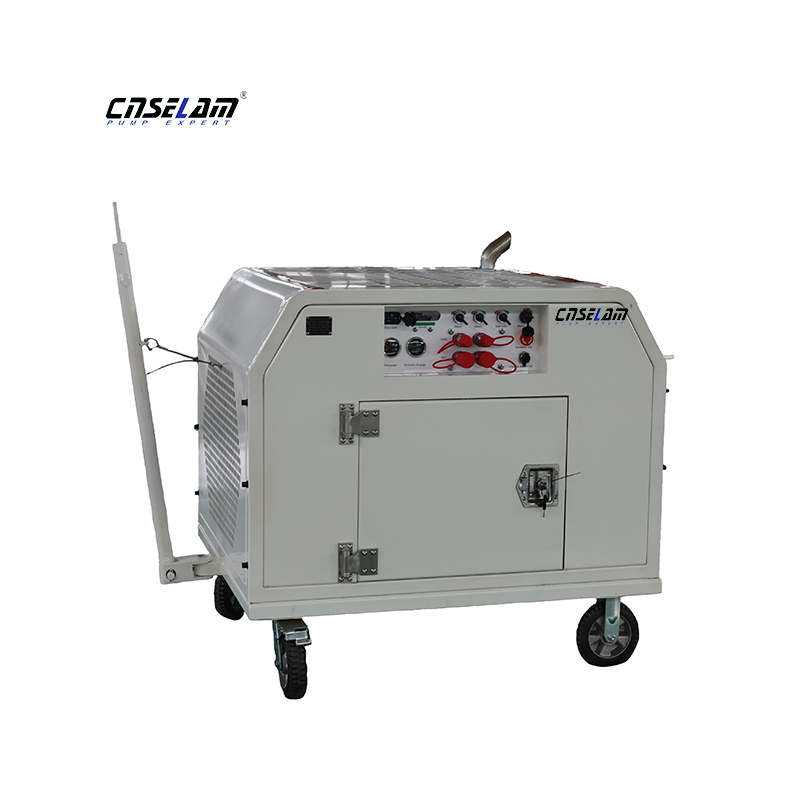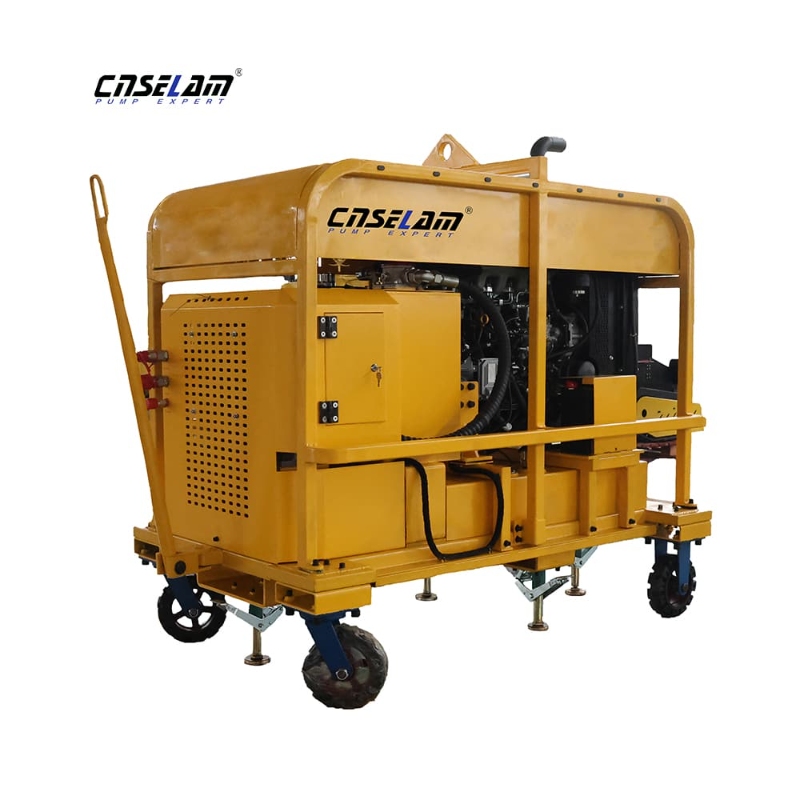
leave a message
If you are interested in our products and want to know more details,please leave a message here,we will reply you as soon as we can.
Hydraulic Power Units (HPUs) serve as the primary energy source for a vast array of heavy machinery, industrial production lines, and emergency drainage systems. Operating as self-contained systems that include a motor or engine, a fluid reservoir, hydraulic pumps, and directional control valves, these units generate the oil flow and pressure required to drive hydraulic actuators. Selecting the appropriate configuration depends strictly on the application environment, spatial constraints, and specific load requirements.
For engineering procurement managers and B2B industrial buyers, understanding the structural differences and performance parameters of individual configurations is vital to achieving optimal operational efficiency. This technical overview analyzes the three primary categories of Hydraulic Power Units—mini, industrial, and mobile configurations—with a focus on how specialized manufacturers like Selamhyd engineer these systems to meet heavy industrial standards.
Mini hydraulic power units are engineered specifically for applications where space is severely constrained and intermittent mechanical force is required. These units usually feature a compact footprint, integrating a fractional-horsepower AC or DC motor directly with a small gear pump and a steel or plastic reservoir block.
In standard industrial environments, mini HPUs are deployed in automotive lifts, dock levelers, material handling lifters, and small security gates. Due to their limited reservoir capacity, these units are not intended for continuous duty cycles, as fluid temperature rises rapidly under sustained operations. Instead, they rely on precise, short-duration pressure delivery to execute highly repetitive mechanical tasks with maximum space efficiency.
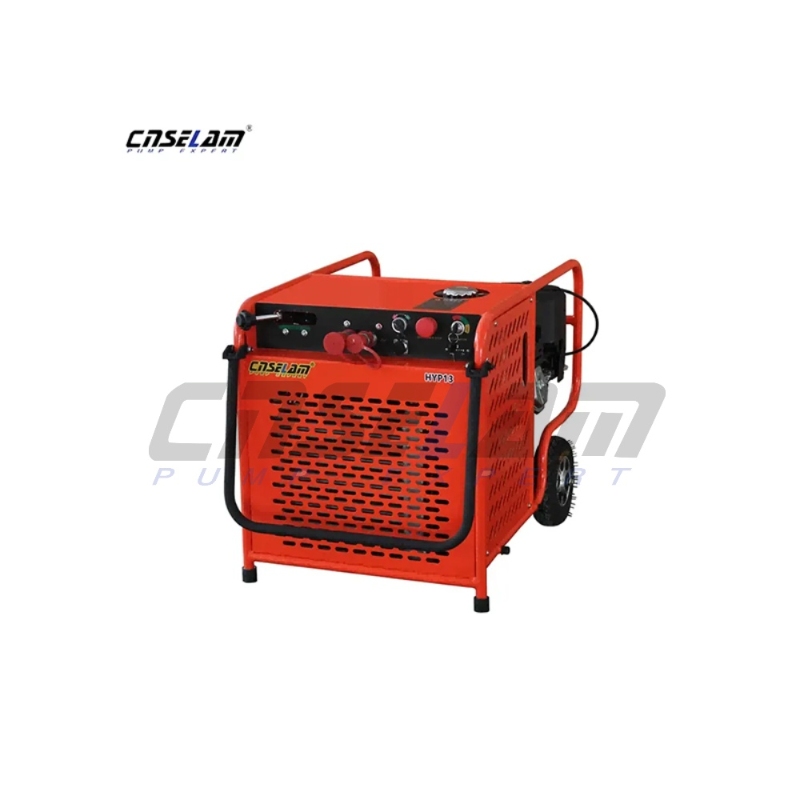
Industrial configurations represent the backbone of manufacturing plants, processing facilities, and deep-well operations where continuous-duty performance and precise pressure control are continuous requirements. Unlike compact models, industrial systems are built on stationary frameworks designed to handle extreme operational stresses over extended periods.
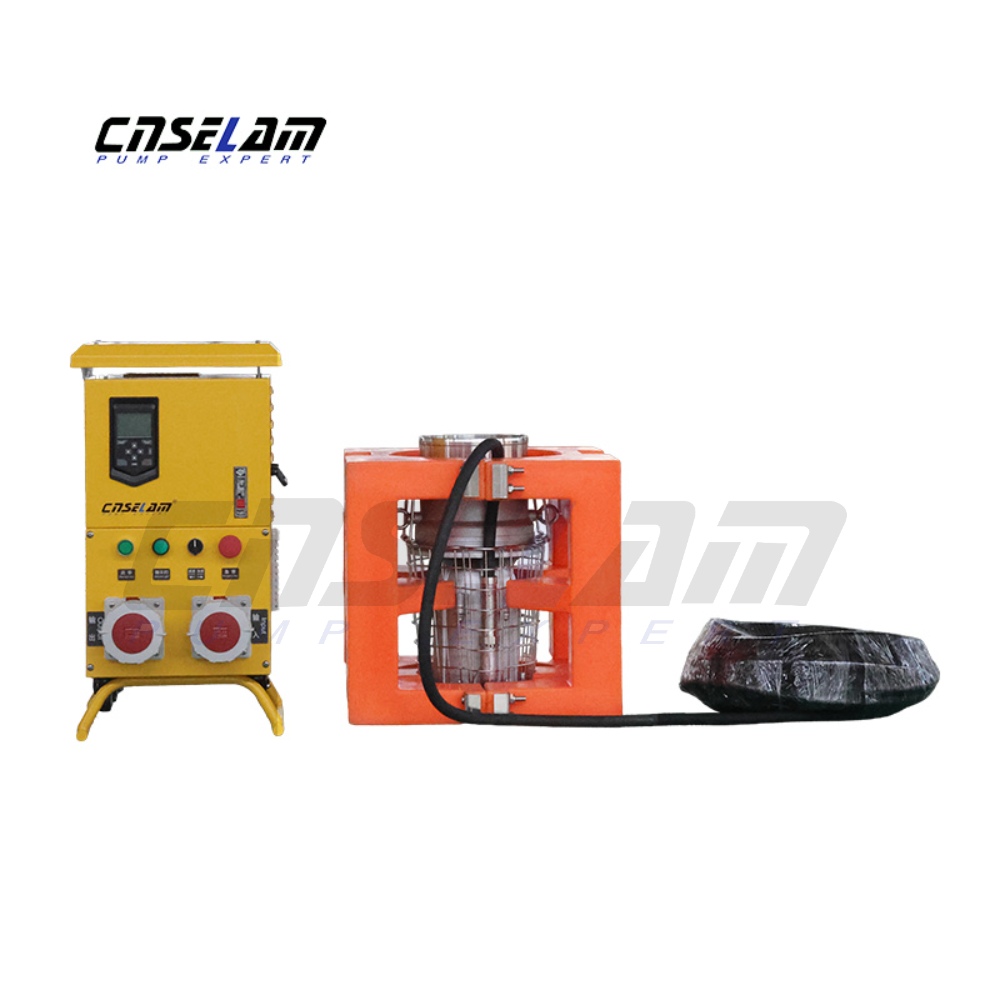
Within the industrial category, the Electric Hydraulic Power Unit is the most prevalent configuration. Utilizing heavy-duty three-phase induction motors or high-efficiency permanent magnet synchronous motors, these units deliver stable hydraulic power to high-pressure lines. Stationary electric HPUs allow for extensive customization, accommodating multi-pump arrays, advanced proportional valve stacks, and sophisticated filtration loops.
Selamhyd integrates advanced digital monitoring into its industrial electric power packs. These configurations include dedicated oil temperature sensors, fluid level switches, and electronic pressure transducers that feed data directly into plant PLC networks. This ensures that the system maintains optimal fluid viscosity and prevents cavitation during continuous industrial manufacturing cycles.
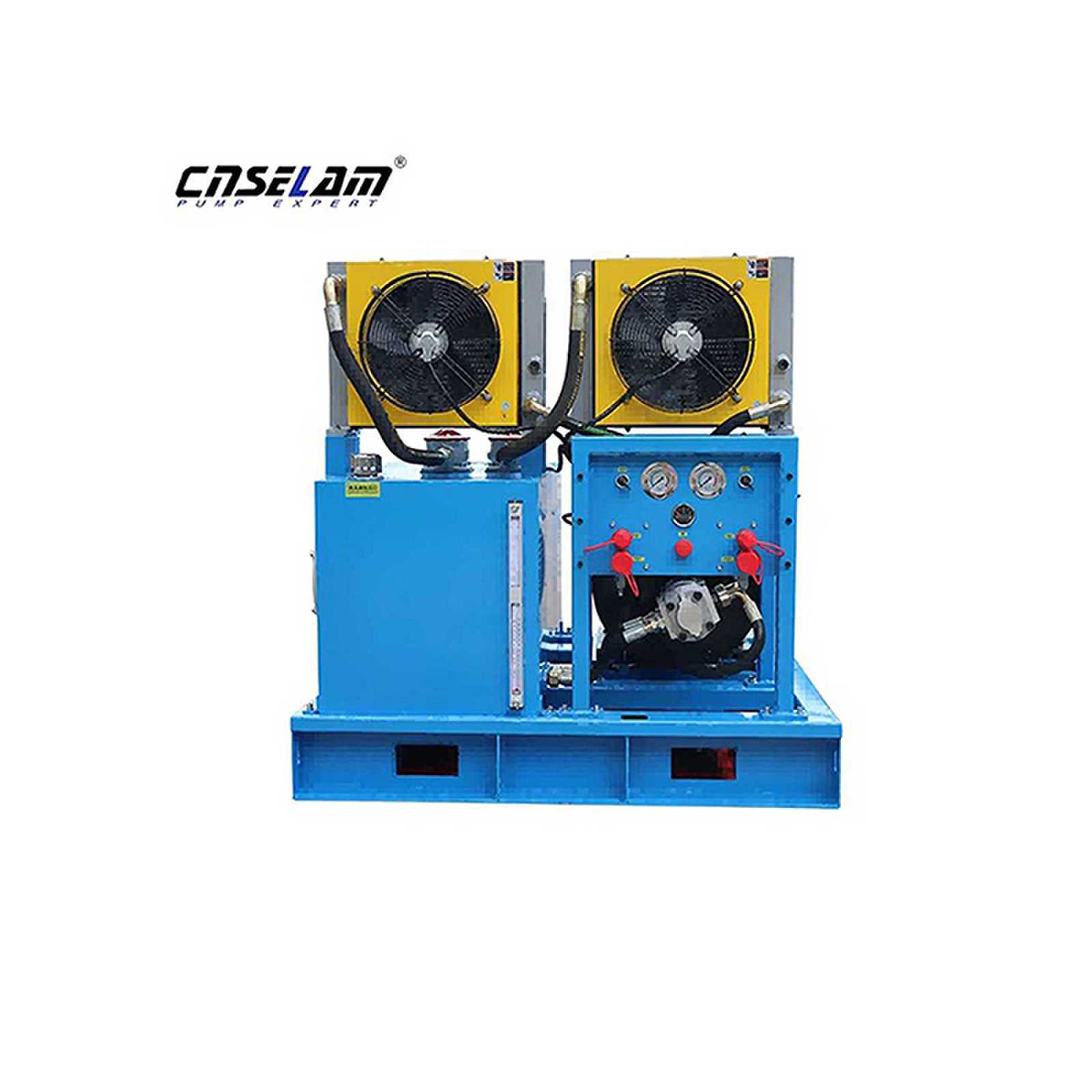
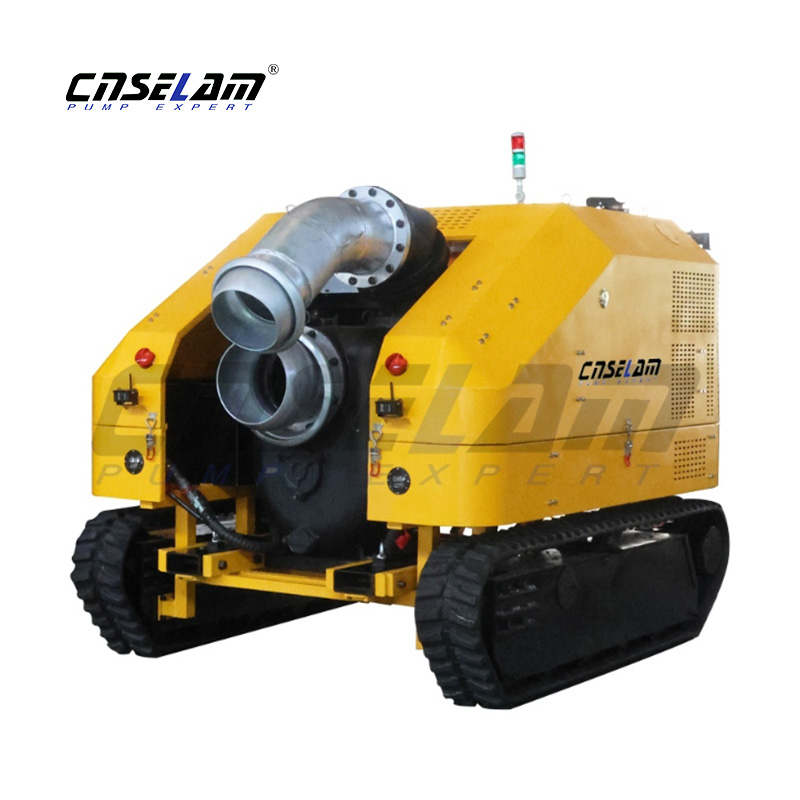
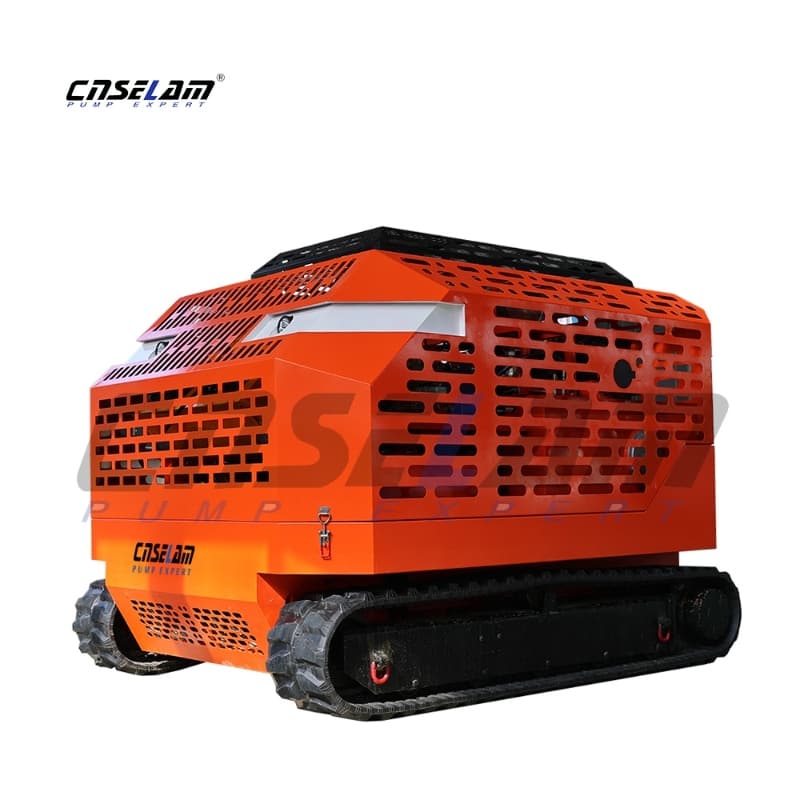
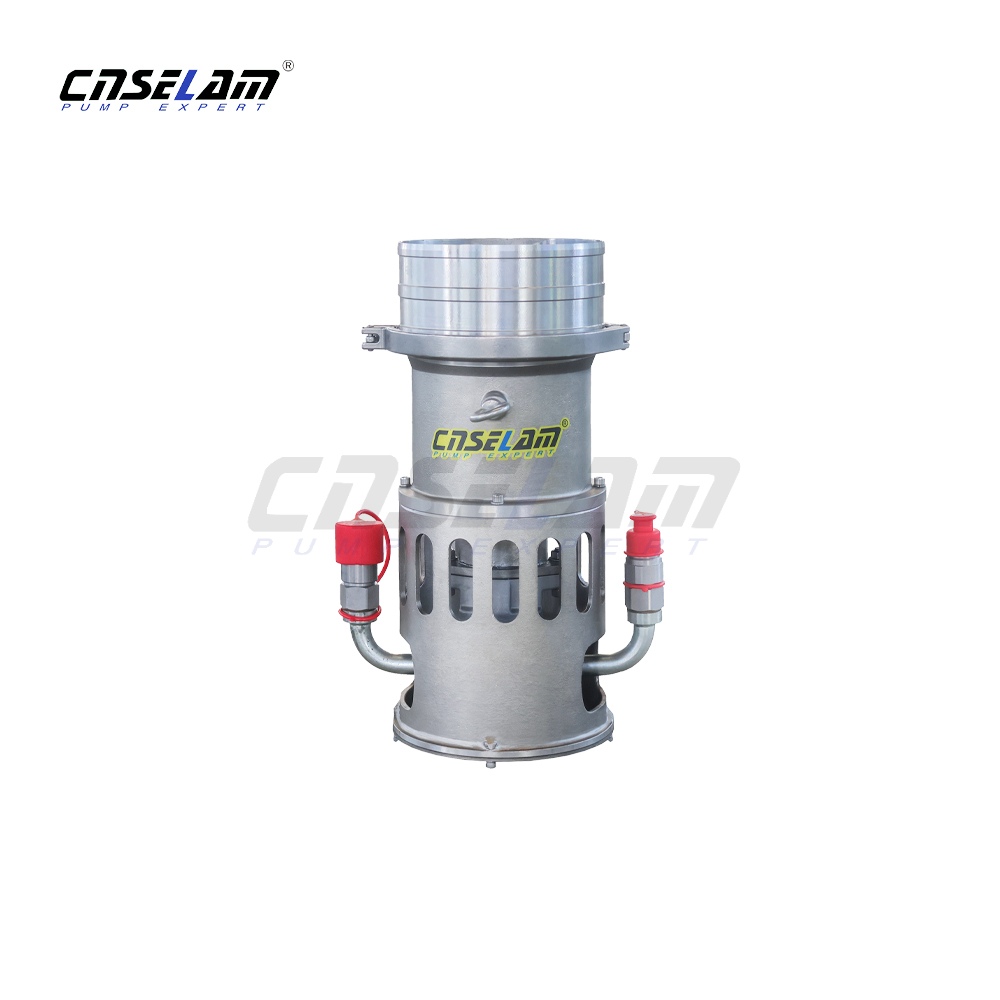
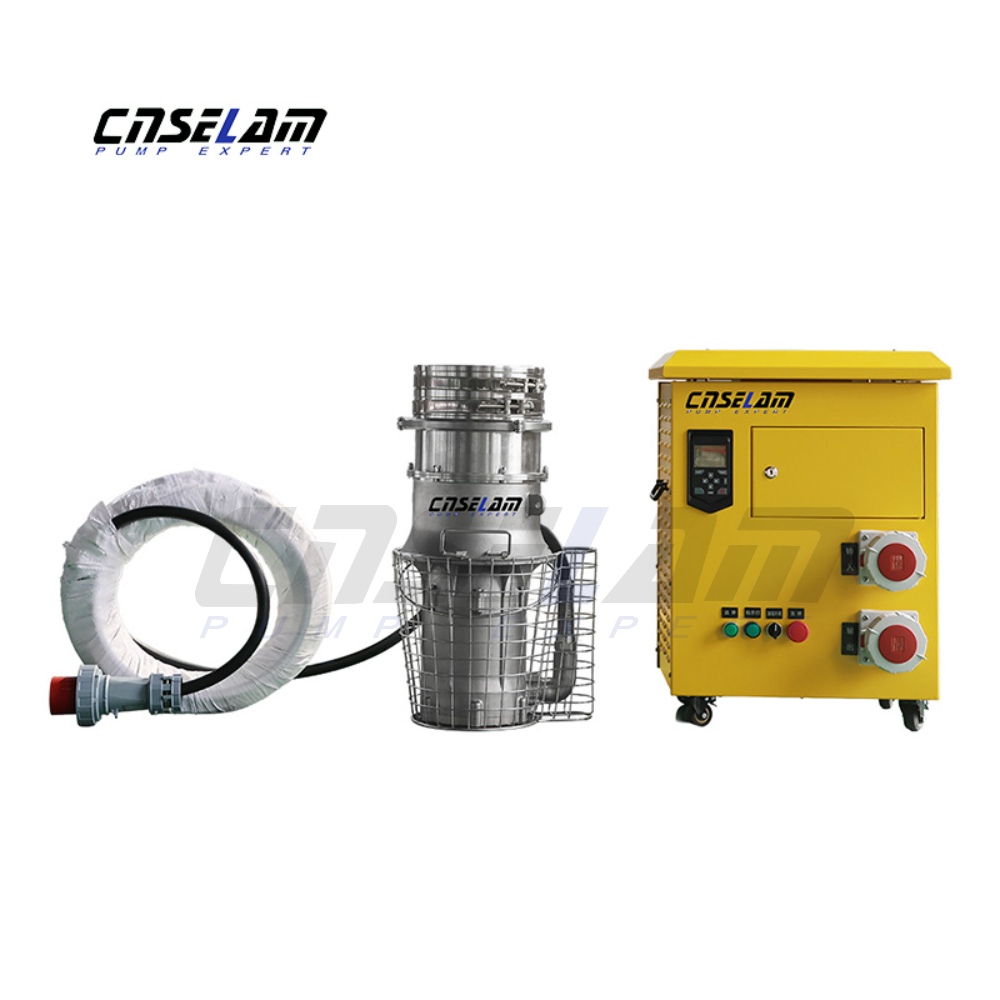
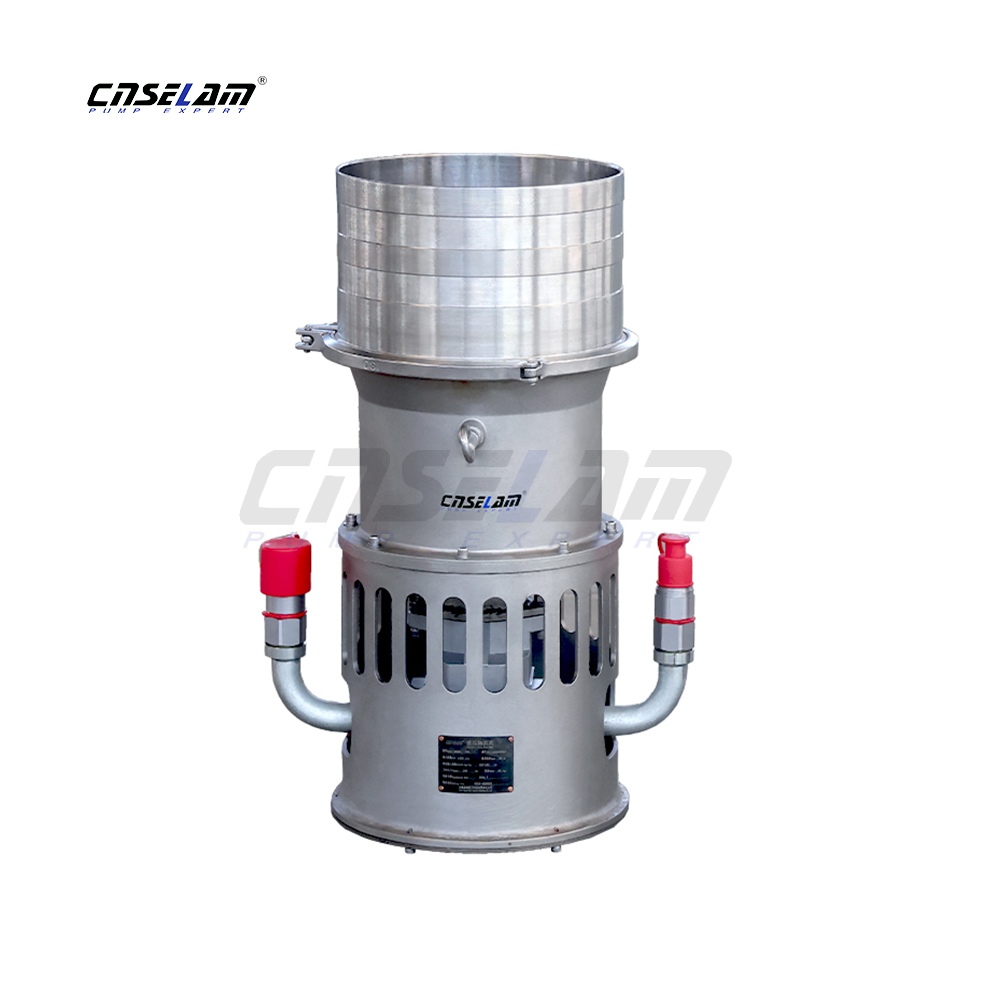
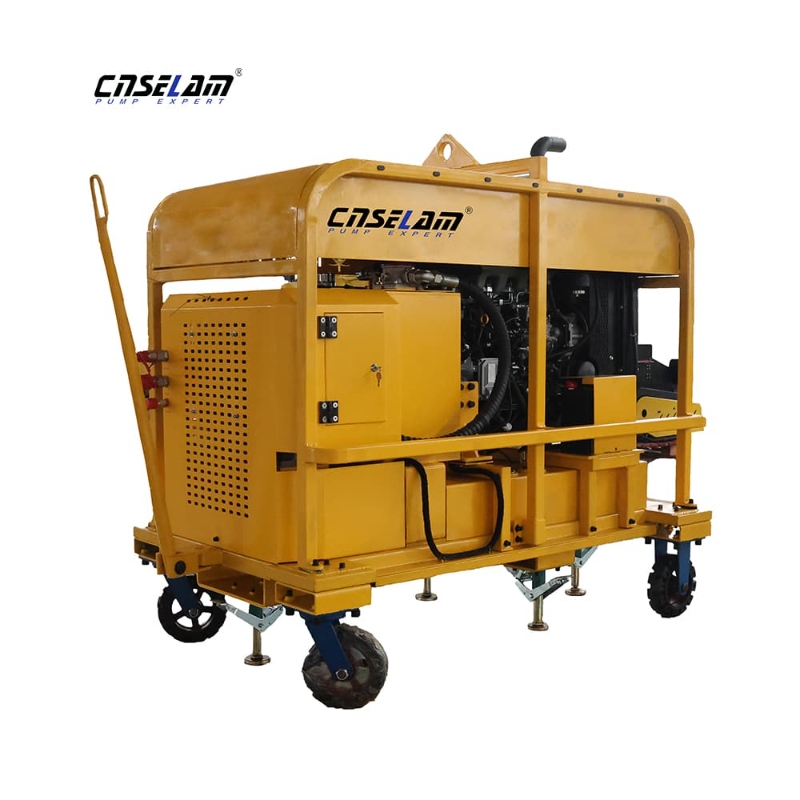
For municipal flood control, emergency drainage, mining extraction, and civil construction, stationary infrastructure is unavailable. Mobile hydraulic power units provide high-output hydraulic energy in remote or rugged environments, often driving high-capacity hydraulic submersible pumps or large-scale rescue tools.
A Skid-Mounted Hydraulic Power Unit is constructed within a heavy-gauge, structural steel framework featuring integrated forklift pockets and heavy lifting eyes. This rigid structural enclosure protects critical internal components—including the internal combustion diesel engine or high-capacity electric motor, variable displacement piston pumps, and large fluid reservoirs—from physical damage during transport and deployment.
Skid-mounted configurations are highly favored in industrial infrastructure projects and offshore operations where equipment must be securely anchored onto flatbed trucks, barges, or oil platforms. The robust structural layout minimizes vibration, ensuring stable alignment between the prime mover and the hydraulic pump even under maximum working pressures.
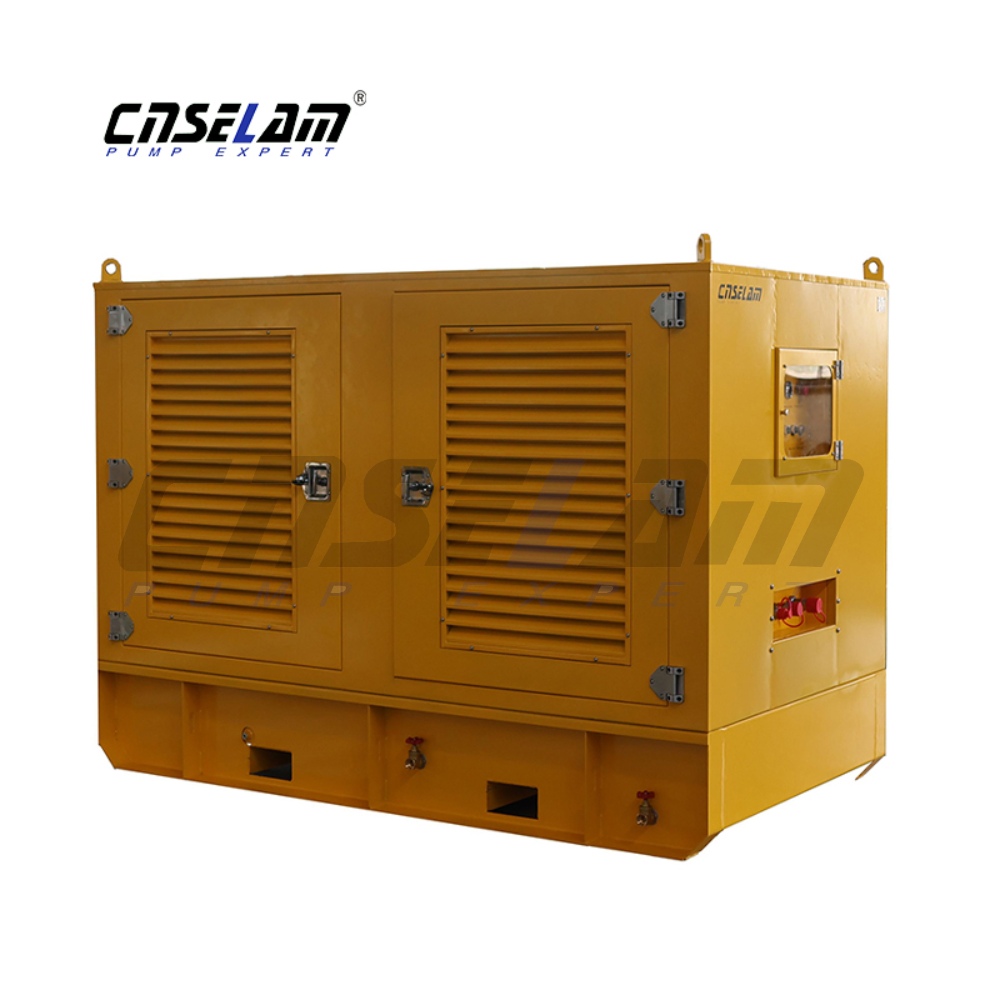
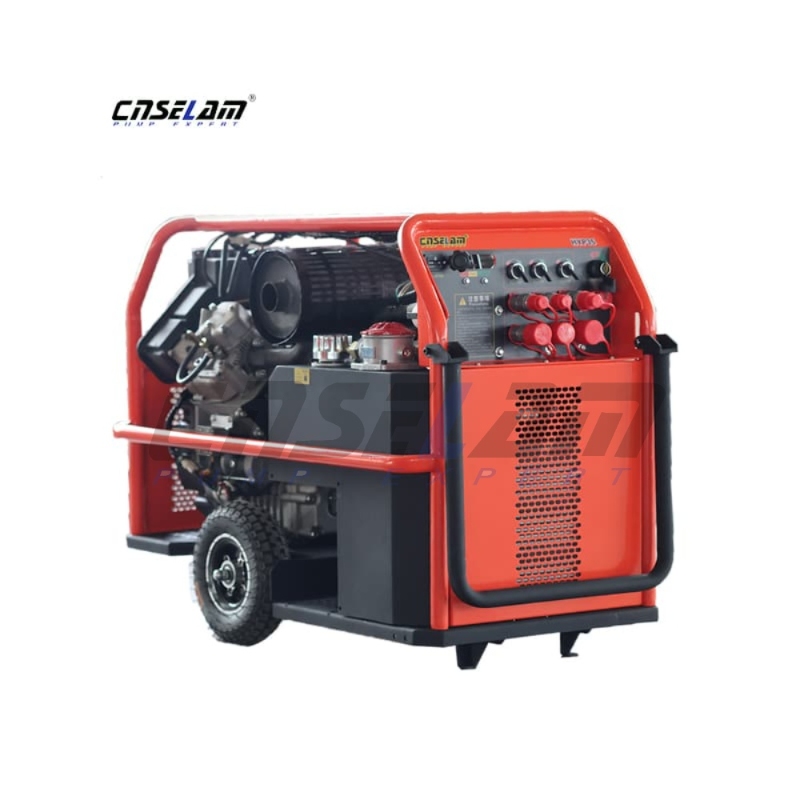
When rapid deployment and maximum mobility are the primary operational criteria, the Trailer-type Hydraulic Power Unit represents the industry standard. Mounted onto a heavy-duty, multi-axle highway or field trailer chassis complete with braking systems and leveling jacks, these mobile power plants can be towed directly to disaster zones or remote construction sites behind standard utility vehicles.
Selamhyd specializes in manufacturing high-capacity trailer-type power units designed specifically to drive high-flow hydraulic axial flow pumps and slurry pumps for emergency dewatering. These units are typically powered by water-cooled multi-cylinder diesel engines, enabling self-sustained operation independent of the local electrical grid. Enclosed in weatherproof, sound-attenuating canopies, they provide reliable field performance under severe meteorological conditions.
To assist procurement technical teams in identifying the optimal equipment configuration, the following engineering matrix outlines the technical parameters and target applications across different design classes:
| HPU Configuration | Primary Power Source | Mobility Class | Core Industrial Applications |
| Mini Hydraulic Power Unit | AC / DC Electric Motor | Fixed / Stationary |
Dock levelers, light material handling, automotive lifts, small gates |
| Electric Hydraulic Power Unit | 3-Phase / PM Electric Motor | Stationary Plant |
Industrial automation lines, heavy manufacturing presses, mining systems |
| Skid-Mounted Hydraulic Power Unit | Diesel Engine / Electric Motor | Semi-Mobile (Crane/Forklift) |
Offshore drilling, modular construction sites, continuous structural bypass |
| Trailer-type Hydraulic Power Unit | Multi-Cylinder Diesel Engine | Fully Mobile (Towed) |
Municipal emergency flood control, high-volume drainage, disaster rescue |
When evaluating Hydraulic Power Units for large-scale operations, matching technical parameters to environmental realities is essential:
Thermal Management: Industrial and mobile units operating continuously require efficient cooling systems. Air-to-oil heat exchangers or water-cooled cooling loops must be integrated to keep fluid temperatures within the optimal working range.
System Pressure and Flow Rate: Matching the pump displacement (L/min) and maximum working pressure (MPa) to the requirements of the hydraulic submersible pump or actuator prevents energy loss and premature component failure.
Environmental Protection: Field-deployed equipment requires IP55 or higher electrical ratings, anti-corrosion coatings, and heavy-duty dust filtration systems to guarantee operational longevity in maritime or desert conditions.
Selecting the correct type of hydraulic power infrastructure determines the ultimate efficiency and reliability of your mechanical systems. Whether implementing stationary Electric Hydraulic Power Unit frameworks within an automated factory environment, or deploying heavy-duty Skid-Mounted or Trailer-type Hydraulic Power Unit assemblies for high-flow emergency drainage, precise technical alignment is crucial.
As a professional industrial equipment manufacturer, Selamhyd delivers engineered hydraulic power units tailored to meet the demanding requirements of global field operations. Contact our application engineering team today to review technical drawings and request customized project quotes.


 IPv6 network supported
leave a message
Scan to Wechat/Whatsapp :



 English
 中文
中文